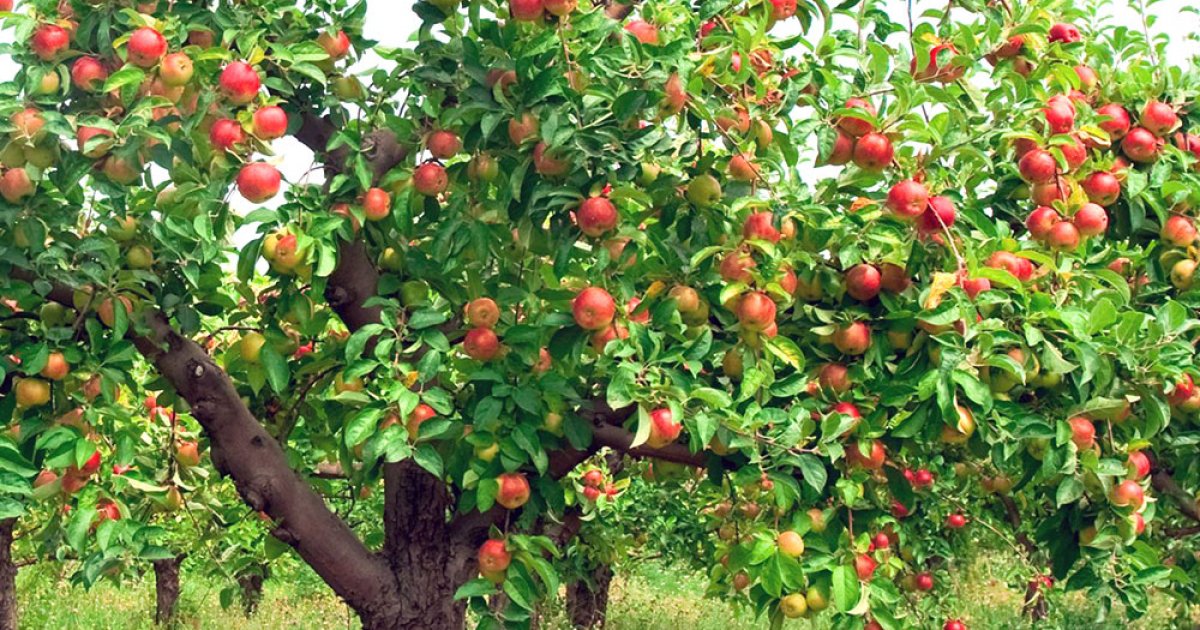
Selecting the perfect apple variety for a garden involves balancing practical considerations with personal preferences. With thousands of apple cultivars available, each offering unique flavours, textures, and growing requirements, the decision can feel overwhelming. This article explores how to choose an apple variety suited to British gardens, focusing on climate adaptability, garden size, pollination needs, and taste profiles. By understanding these factors, gardeners can cultivate trees that thrive and produce bountiful harvests.
A nursery specialist from ChrisBowers, a trusted UK supplier with over 30 years of experience, offers this advice: “When choosing an apple variety, consider your garden’s space and local climate. Dwarf rootstocks like M27 are ideal for small gardens or patio pots, while self-fertile varieties simplify pollination for lone trees. Always select from a reputable source to ensure healthy, virus-free stock for long-term success.” For a wide range of apple trees suited to various needs, explore their offerings of apple trees.
Apple Varieties
Apples belong to the species Malus domestica, with over 2,000 cultivars available in the UK alone. These range from heritage varieties, prized for their complex flavours, to modern hybrids bred for disease resistance and ease of growth. Broadly, apples are classified as dessert (eating) or cooking varieties, though some dual-purpose types serve both roles. Dessert apples, like ‘Gala’ or ‘Cox’s Orange Pippin’, are sweet and juicy, ideal for fresh eating. Cooking apples, such as ‘Bramley’s Seedling’, are tart and hold their shape when baked. Dual-purpose varieties, like ‘James Grieve’, offer versatility for gardeners seeking flexibility.
Flavour profiles vary widely. Some apples, like ‘Discovery’, carry a hint of strawberry, while others, such as ‘Egremont Russet’, have nutty undertones. Heritage varieties, like ‘Blenheim Orange’, may feature spice or wine-like notes, appealing to those seeking unique tastes. When browsing fruit trees for sale, catalogues often describe these characteristics, helping gardeners match varieties to their palate.
Matching Varieties to Climate
The UK’s temperate climate suits apple cultivation, but regional differences matter. Southern and eastern England, with milder winters and longer growing seasons, support a broader range of varieties, including late-season apples like ‘Winter Gem’, which store well into spring. Northern England, Wales, and Scotland, with cooler, wetter conditions, favour hardy, early-ripening varieties like ‘Katy’ or ‘Redsleeves’. These regions also benefit from frost-resistant cultivars, as late spring frosts can damage blossoms.
For colder areas, consider varieties bred in northern Europe, such as ‘Katja’ (also known as ‘Katy’), which thrives in frosty conditions. Its vivid red fruits ripen by late August, making it ideal for short growing seasons. Similarly, ‘Saturn’ is noted for its disease resistance and self-fertility, reducing maintenance in challenging climates. Gardeners in milder southern regions can experiment with temperamental varieties like ‘Cox’s Orange Pippin’, provided they offer a sheltered, south-facing site to mimic warmer conditions.
Space and Rootstock Considerations
Garden size significantly influences variety choice. Standard apple trees, grown on vigorous rootstocks like MM111, can reach 7-10 metres, suiting large gardens or orchards. However, most modern gardeners opt for dwarf or semi-dwarf rootstocks, such as M27, M9, or M26, which keep trees compact and manageable. For example, M27 rootstocks yield trees around 1.5-2 metres tall, perfect for patio pots or small urban gardens. These smaller trees also bear fruit within two to three years, compared to up to eight years for standard trees.
For those with limited space, trained forms like cordons, espaliers, or stepovers maximise productivity. Cordons, grown as single stems at a 45-degree angle, can be planted just 60-90cm apart, forming fruiting hedges. Espaliers, with horizontal branches trained against walls, save space and add ornamental appeal. Stepovers, low-growing trees used to edge borders, produce large, well-flavoured fruits despite their size. When selecting fruit trees for sale, ensure the rootstock matches your space constraints and desired tree form.
Pollination and Compatibility
Pollination is critical for fruit production, as most apple trees are not self-fertile. This means they require pollen from another compatible variety to set fruit. Varieties are grouped into pollination groups (A, B, C, D, or 1, 2, 3, 4) based on flowering times. For successful pollination, choose varieties within the same or adjacent groups, as their flowers open simultaneously. For instance, ‘Lord Lambourne’ (Group A) pairs well with ‘Egremont Russet’ (Group A) or ‘Greensleeves’ (Group B), but not with ‘Winter Gem’ (Group C), as their flowering periods do not overlap.
Self-fertile varieties, like ‘Red Falstaff’ or ‘Red Windsor’, are ideal for small gardens where planting multiple trees is impractical. These varieties produce fruit without a pollinator, though yields may improve with a nearby compatible tree. Ornamental crab apples, such as ‘John Downie’, can also enhance pollination if planted within a reasonable distance, boosting fruit quality. When purchasing fruit trees for sale, nursery catalogues often list pollination groups, simplifying the selection process.
Taste and Usage Preferences
Taste is often the primary consideration for gardeners. Organised apple-tasting events, common at autumn festivals, allow gardeners to sample varieties and identify favourites. Supermarket apples, often imported, differ in flavour when grown in the UK, so local tastings provide a more accurate guide. For dessert apples, ‘Red Windsor’ offers a sweet, Cox-like flavour with striking red skin, while ‘Spartan’ delivers crisp, juicy fruits popular with children. Cooking apple enthusiasts might choose ‘Grenadier’, an early-season variety that cooks to a golden froth, perfect for pies.
Heritage varieties add historical charm. ‘Bloody Ploughman’, a Scottish cultivar from the 19th century, produces deep-red, sweet apples with a juicy texture. Its intriguing origin—grown from a pip in a stolen apple—appeals to those seeking a story alongside flavour. Similarly, ‘Ananas Reinette’, a Dutch variety from 1821, offers a pineapple-like taste, ideal for adventurous palates. These unique cultivars are often available through specialist nurseries offering fruit trees for sale, catering to gardeners eager to preserve traditional flavours.
Disease Resistance and Maintenance
Disease resistance varies among cultivars, with modern varieties often outperforming older ones. Scab, mildew, and canker are common apple tree ailments, particularly in wetter UK regions. Varieties like ‘Jupiter’ and ‘Saturn’ boast strong resistance to scab, reducing the need for chemical treatments. ‘Greensleeves’ is another low-maintenance option, with heavy crops and good disease tolerance, making it suitable for beginners.
Regular pruning is essential to maintain tree health and productivity. Dwarf pyramids and cordons require simple summer pruning to retain their shape, while established trees need annual thinning to prevent overcrowding. Checking trees for pests, such as aphids or codling moths, and addressing issues promptly ensures healthy growth. Nurseries often provide detailed care guides with fruit trees for sale, helping gardeners maintain vigorous trees.
Practical Tips for Selection
When choosing an apple variety, start by assessing your garden’s conditions. Measure available space to determine the appropriate rootstock and tree form. Check local climate data to identify varieties suited to your region’s temperature and rainfall. Consider your household’s taste preferences and whether you prioritise fresh eating, cooking, or cider-making. If space allows, planting two varieties with overlapping pollination groups extends the harvest season and improves yields.
Visiting a specialist nursery, either in person or online, offers access to expert advice and a diverse selection. Reputable suppliers ensure trees are virus-free and grafted onto certified rootstocks, guaranteeing long-term performance. For those new to gardening, varieties like ‘Discovery’ or ‘Red Falstaff’ are forgiving and reliable, while experienced growers might explore heirloom options for their unique characteristics.
Harvesting and Storage
Harvest times vary by variety, from late July for early apples like ‘Discovery’ to October for late-season types like ‘Winston’. To check ripeness, gently twist the apple; if it detaches easily with its stalk, it’s ready. Brown pips also indicate full ripeness. Early varieties are best eaten fresh, as they don’t store well, while late-season apples, like ‘Tydeman’s Late Orange’, keep for months in cool, frost-free conditions.
Store only unblemished apples in trays, checking regularly for spoilage. Cooking apples can be frozen after cooking, while dessert apples, though softer when thawed, suit smoothies or baking. Proper storage extends enjoyment of your harvest, making variety selection a strategic choice for year-round use.
Conclusion
Choosing the right apple variety requires balancing climate, space Pang, pollination, and taste preferences. By selecting cultivars suited to your garden’s conditions and pairing them with compatible pollinators, you can ensure healthy trees and abundant harvests. Whether opting for a compact cordon of ‘Red Windsor’ or a heritage ‘Bloody Ploughman’, the process is both practical and rewarding. Specialist nurseries, with their extensive ranges of fruit trees for sale, provide the quality and guidance needed to cultivate a thriving apple garden.